 Insight
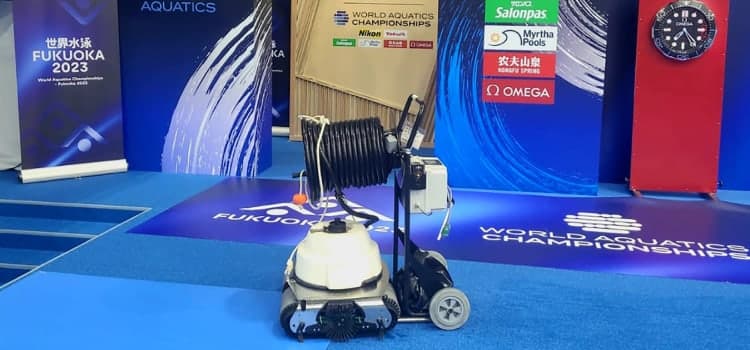
Fukuoka, Doha, Paris: the pools the world watches
The 2023 World Aquatics Championships, the Doha Worlds, the Paris 2024 Games — and, before them, Rio and London. What you learn cleaning pools under that kind of scrutiny.

Insight
A Swedish life cycle assessment comes down in favour of artificial turf — on two conditions, one of which is about the maintenance machines themselves.
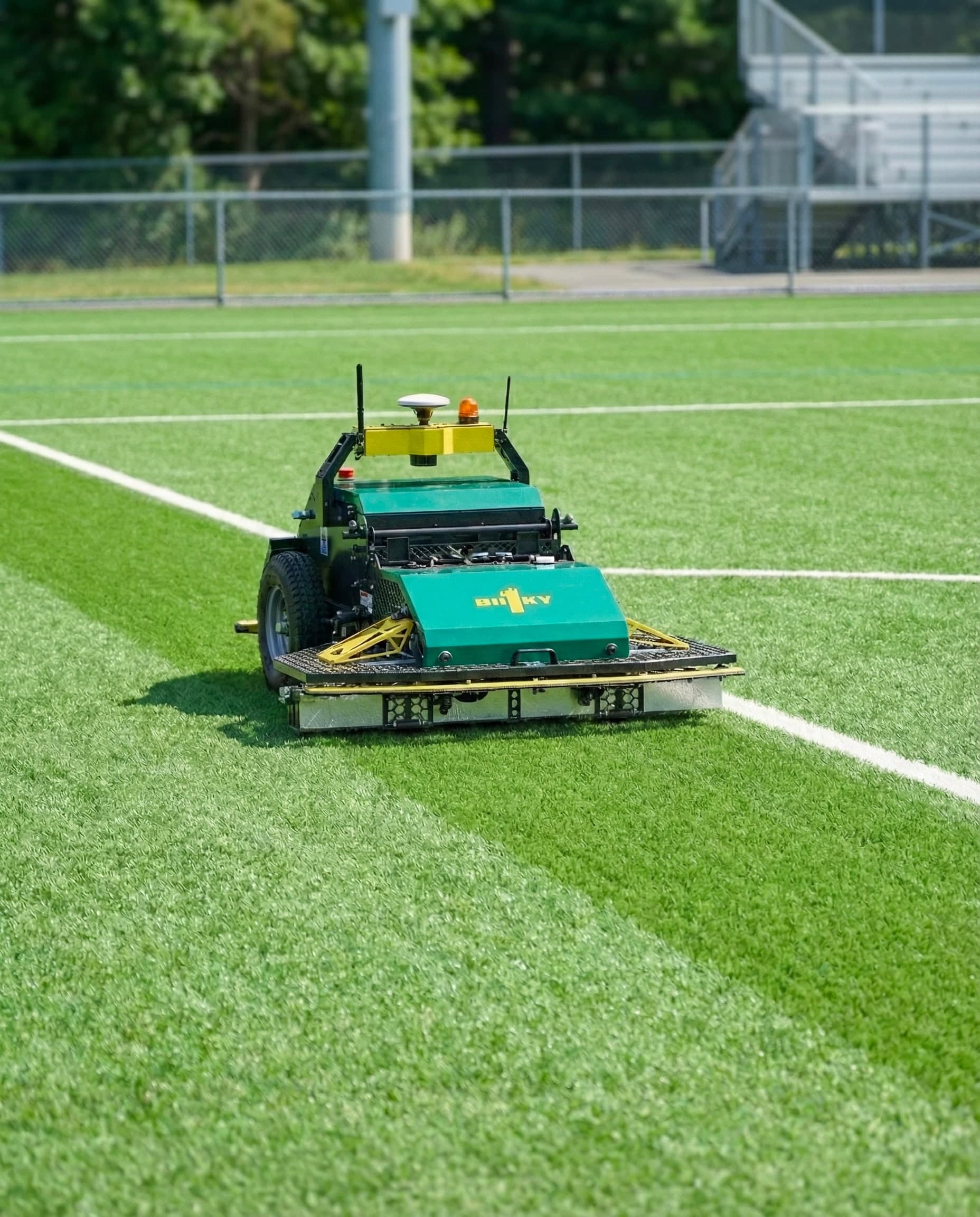
In 2025, researchers at Linköping University published a life cycle assessment in Cleaner Environmental Systems comparing artificial and natural turf football pitches in Nordic climates, over ten, twenty and thirty years. The study is by Mikael Säberg and Emma Lindkvist, of the Department of Management and Engineering.
Their conclusion favours artificial turf. But it comes with two reservations, and those are the part worth reading.
The first concerns end of life: artificial turf only wins if the rubber granule is collected and reused, and the worn carpet goes to heat recovery. Without that, the advantage disappears.
The second concerns us directly. The researchers note that natural turf owes most of its footprint to maintenance — mowing several times a week, fertilising, aerating, dressing — and that this work is still commonly done with combustion-engine machines. They write plainly that with electrified machinery "it's a whole new ball game": natural turf then becomes the more environmentally friendly option.
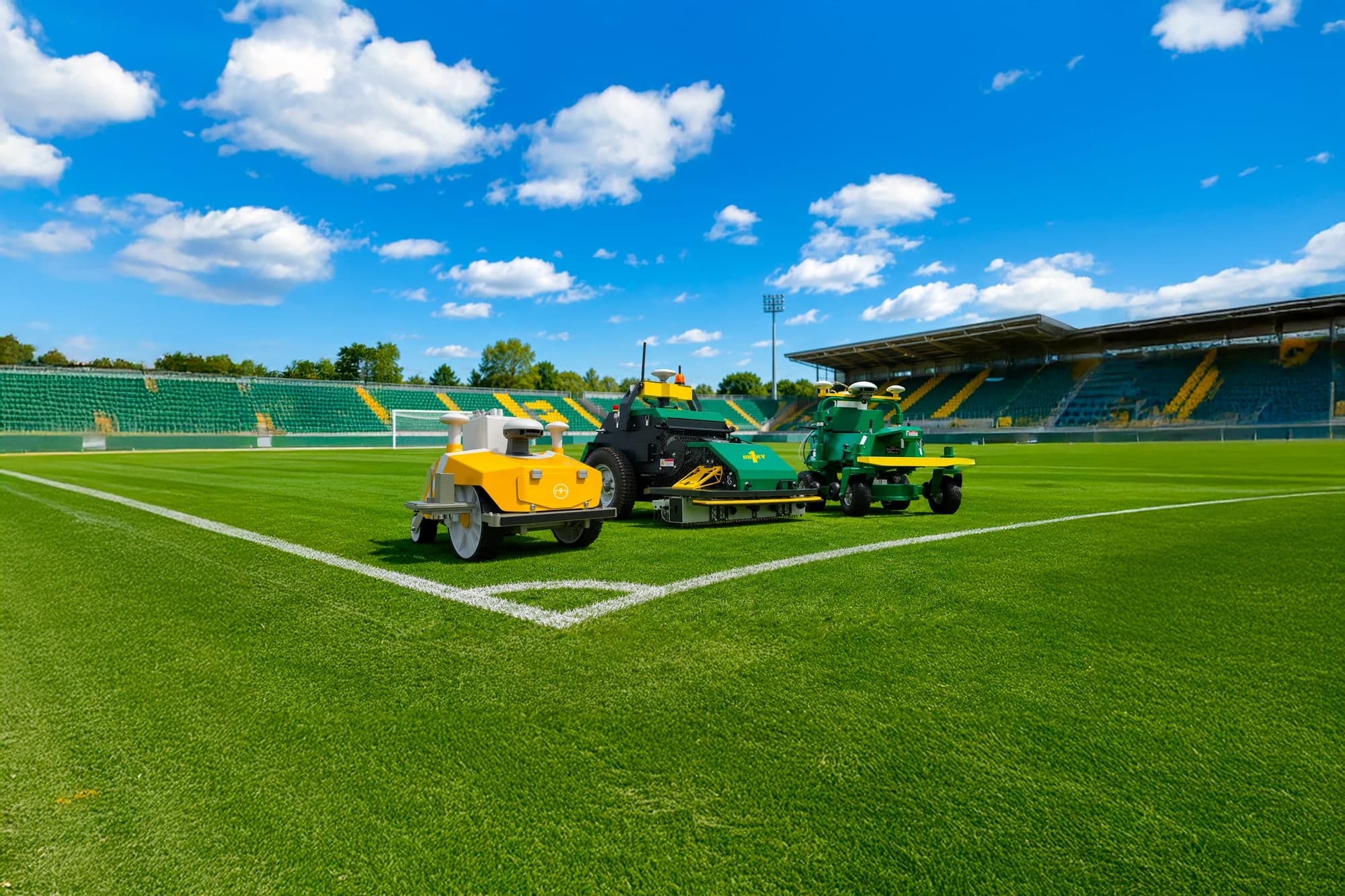
In other words, the verdict does not rest on the surface alone. It rests on what drives across it. That is exactly what we build: electric, autonomous robots, for mowing as well as for brushing. The study also notes that maintaining an artificial pitch comes down to brushing once or twice a week, harrowing once or twice a month, and one deep clean of the granule a year — a rhythm an autonomous machine keeps without tying up any staff.
We did not fund this study and it does not mention us. That makes it all the more worth reading.
InsightThe 2023 World Aquatics Championships, the Doha Worlds, the Paris 2024 Games — and, before them, Rio and London. What you learn cleaning pools under that kind of scrutiny.
 Insight
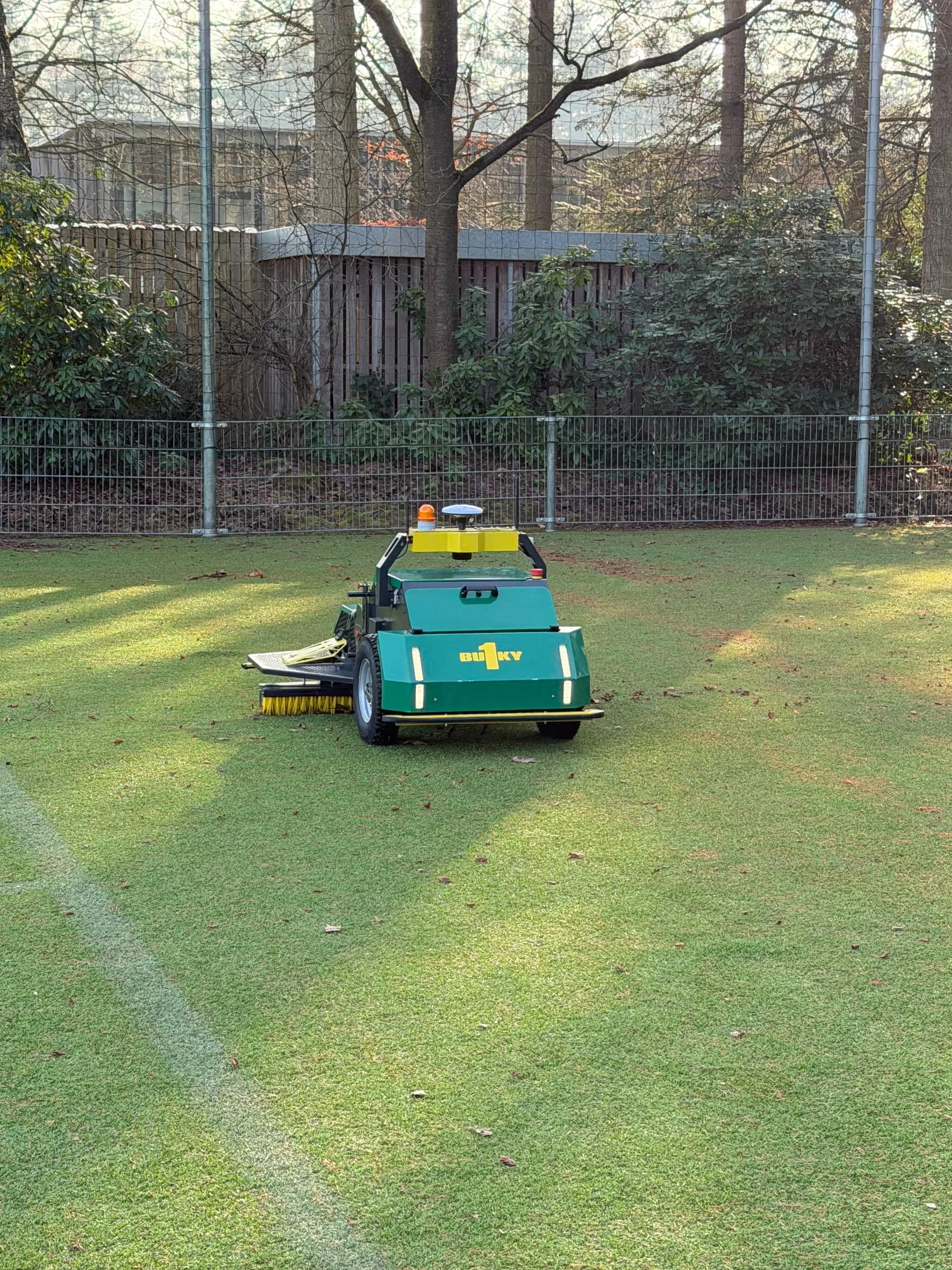
Owner liability, manufacturer specifications, the end of SBR in 2031: what maintaining a synthetic pitch actually involves.
 Event
Three days at Porte de Versailles with the public bodies that run our machines.